![Green Lab. #08 [ A Stone Assembly Alive with Moss ]](https://www.adana.co.jp/wp-content/uploads/sites/3/2026/01/gl08_img_ogp.jpg)
![Green Lab. #07 [ Forest Suspension Bridge]](https://www.adana.co.jp/wp-content/uploads/sites/3/2026/01/gl07_img_ogp.jpg)









HOW TO 2025.12.01
NATURE AQUARIUM GALLERY #07: Eden’s Yin and Yang

At the Nature Aquarium Gallery, aquascapes are created and maintained every day. Through this ongoing work, ADA has developed a deep and practical knowledge of Nature Aquarium. In the web series NATURE AQUARIUM GALLERY, we interview ADA SUIKEI Creators and ADA’s expert maintenance staff to explore their creations and share tips on how to care for and grow aquatic environments using ADA products.
[A Living Stage Where Fish Gather]
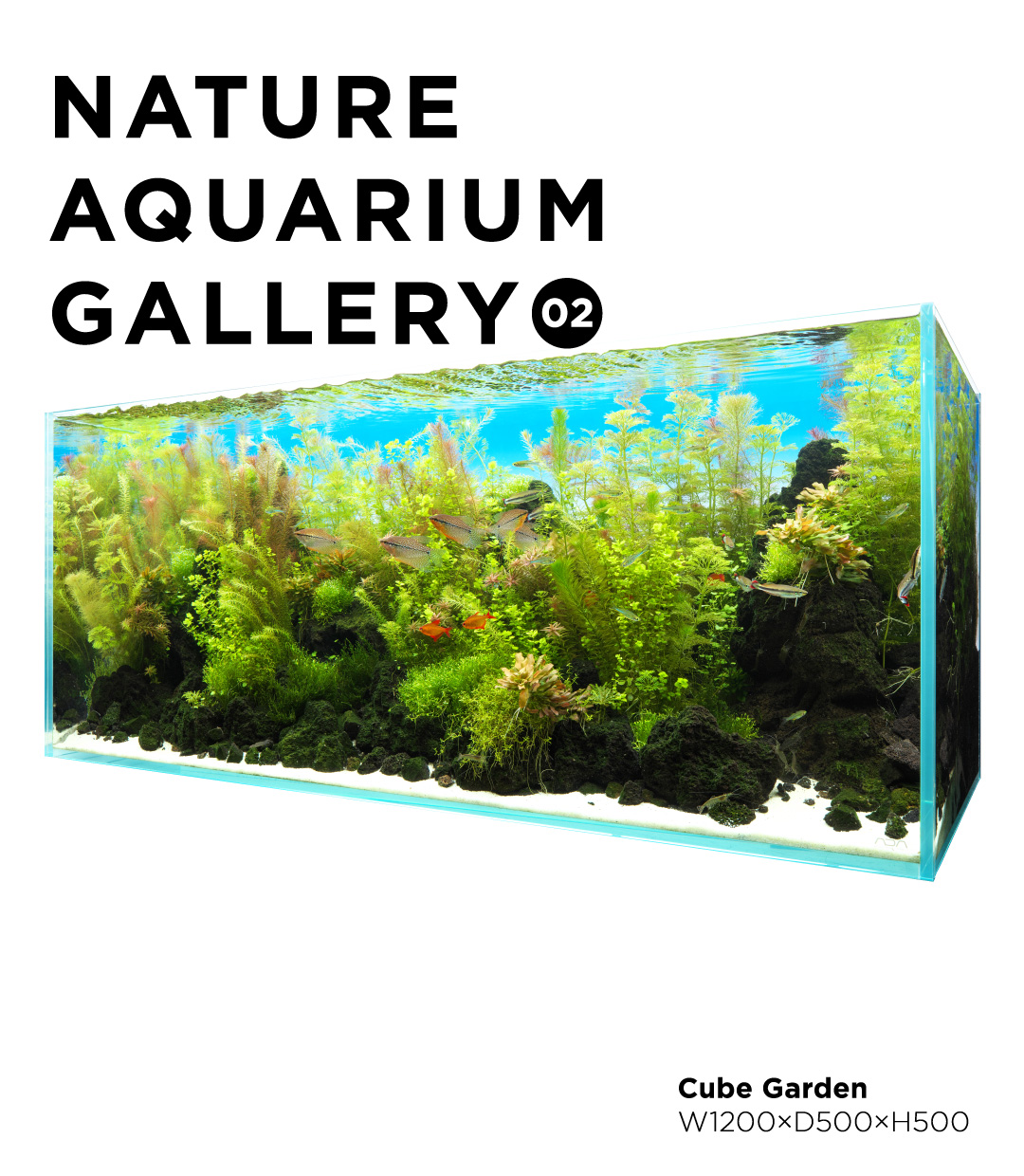
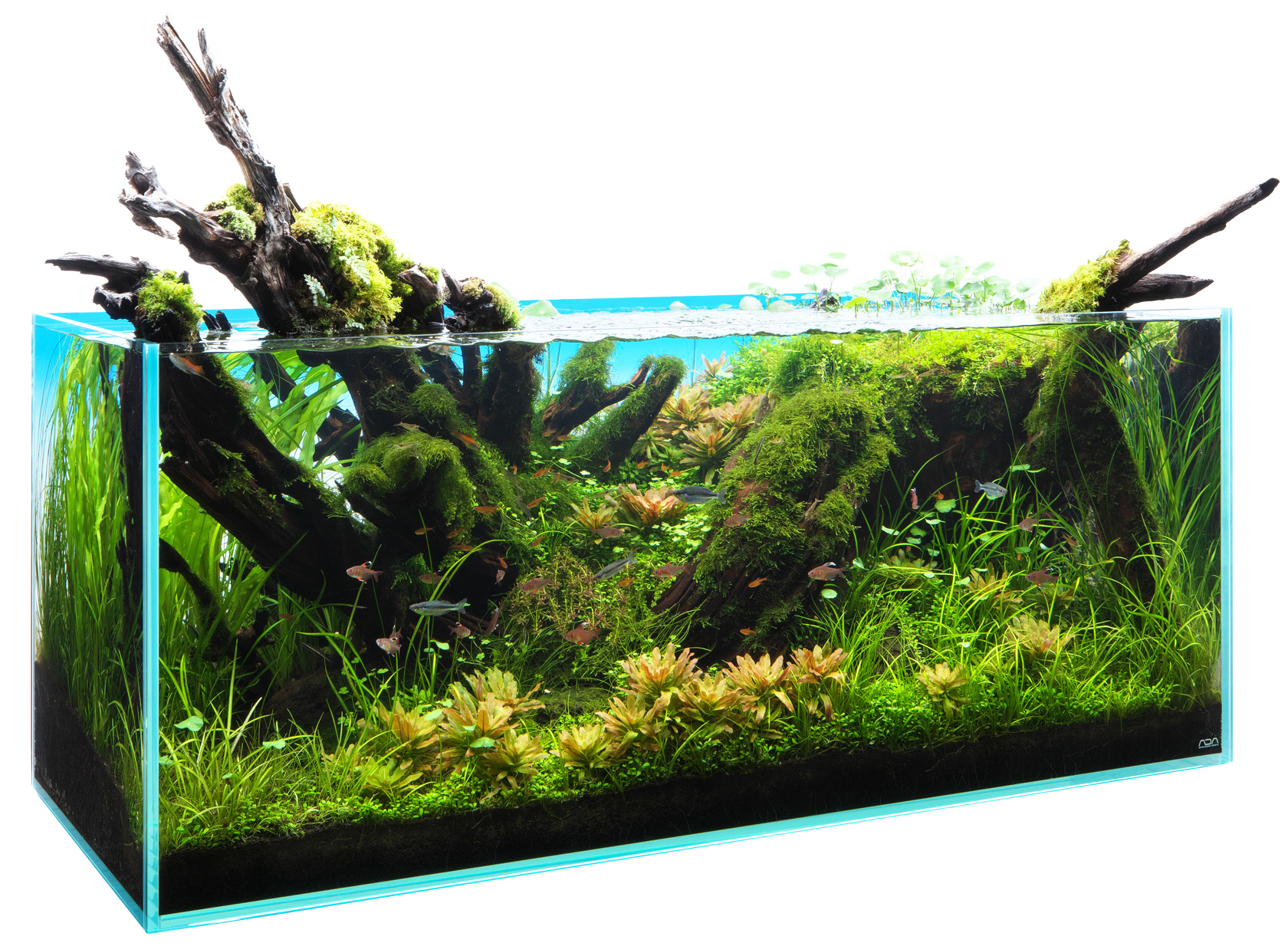
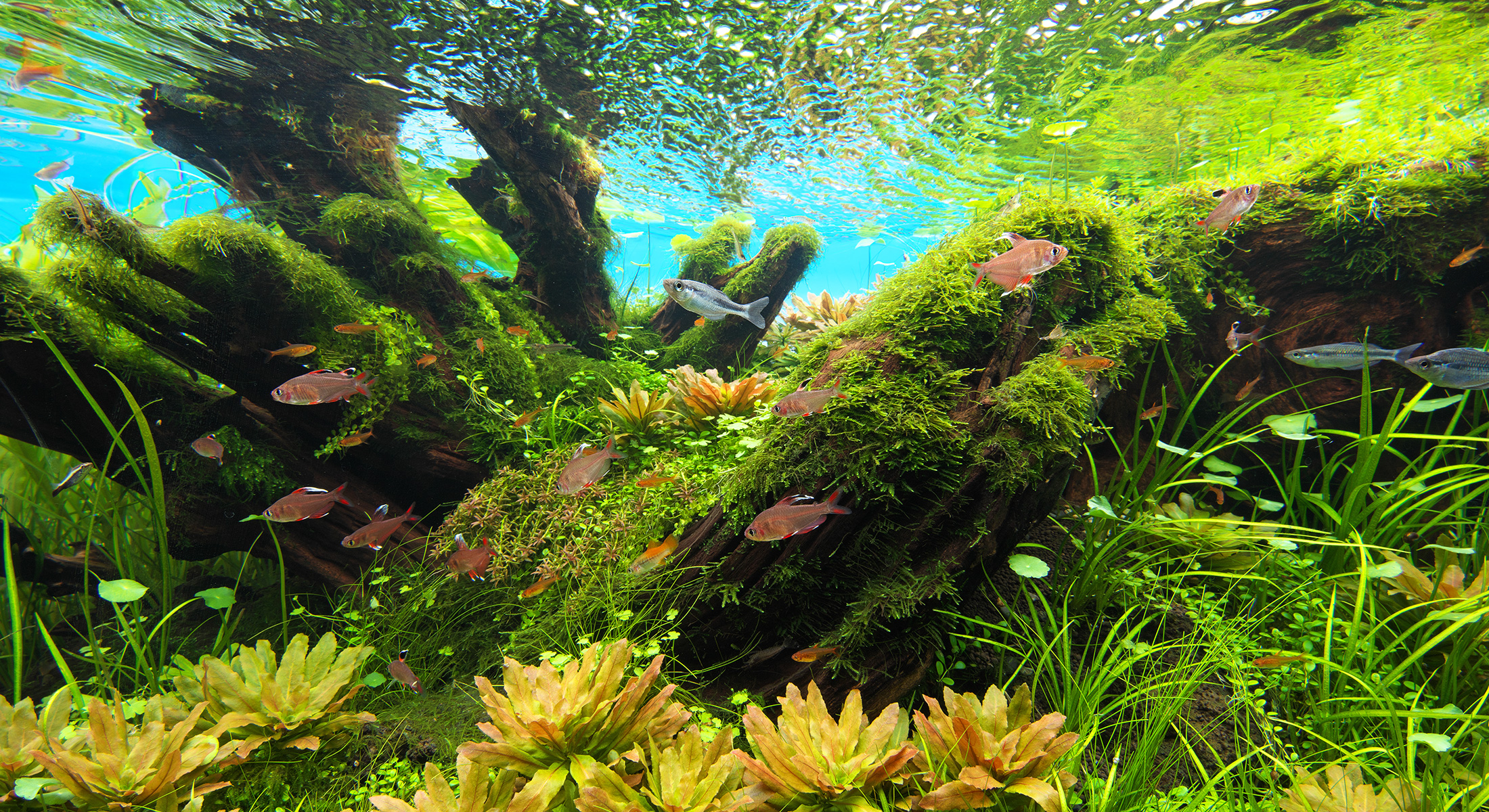
At the heart of this aquascape lies an open space where fish naturally come together—a lively, life-filled stage.
Though the great old tree has long since withered, it now serves as a sanctuary for the fish. The layout was created with the image of an unending life story in mind.
At the heart of this aquascape lies an open space where fish naturally come together—a lively, life-filled stage.
Though the great old tree has long since withered, it now serves as a sanctuary for the fish. The layout was created with the image of an unending life story in mind.
DATA
Creation date: September 19, 2024
Photo taken on: March 26, 2025
Creator: Yusuke Homma(ADA SUIKEI CREATOR)
Aquarium: Cube Garden W1,200×D500×H500(mm)
Lighting: Solar RGB x 2 (8.5 hours per day)
Filtration: Super Jet Filter ES-1200 (Bio Rio G)
Material: Horn Wood, Lava Stone
Substrate: Aqua Soil – Amazonia Ver.2, Power Sand Advance L, Bacter 100, Clear Super, Tourmaline BC
CO2: Pollen Glass Beetle 40Ø, 5 bubbles per second via CO2 Twist Counter (using Tower)
Aeration: 15.5 hours after the light is turned off using Lily Pipe P-6
Additives: Brighty K, Green Brighty Mineral, Green Brighty Iron, Green Brighty Nitrogen
Water change: 1/3 once a week
Water quality: Temperature 25°C, pH: 6.4, TH: 50 mg/L
Plants
Glossostigma elatinoides
Ludwigia sphaerocarpa
Micranthemum tweediei
Helanthium tenellum sp.’Madeira’
Rotala mexicana ‘Goias’
Ottelia ulvifolia
Eriocaulon sp.’Social Feather Duster’
Hydrocotyle verticillata
Eriocaulon quinquangulare
Taxiphyllum barbieri
Fish
Melanotaenia kamaka
Hyphessobrycon bentosi rosaceus
Hyphessobrycon amandae
Nannostomus eques
Nannacara anomala
Xiphophorus hellerii
Crossocheilus oblongus
Otocinclus sp.
Caridina multidentate
Creation date: September 19, 2024
Photo taken on: March 26, 2025
Creator: Yusuke Homma(ADA SUIKEI CREATOR)
Aquarium: Cube Garden W1,200×D500×H500(mm)
Lighting: Solar RGB x 2 (8.5 hours per day)
Filtration: Super Jet Filter ES-1200 (Bio Rio G)
Material: Horn Wood, Lava Stone
Substrate: Aqua Soil – Amazonia Ver.2, Power Sand Advance L, Bacter 100, Clear Super, Tourmaline BC
CO2: Pollen Glass Beetle 40Ø, 5 bubbles per second via CO2 Twist Counter (using Tower)
Aeration: 15.5 hours after the light is turned off using Lily Pipe P-6
Additives: Brighty K, Green Brighty Mineral, Green Brighty Iron, Green Brighty Nitrogen
Water change: 1/3 once a week
Water quality: Temperature 25°C, pH: 6.4, TH: 50 mg/L
Plants
Glossostigma elatinoides
Ludwigia sphaerocarpa
Micranthemum tweediei
Helanthium tenellum sp.’Madeira’
Rotala mexicana ‘Goias’
Ottelia ulvifolia
Eriocaulon sp.’Social Feather Duster’
Hydrocotyle verticillata
Eriocaulon quinquangulare
Taxiphyllum barbieri
Fish
Melanotaenia kamaka
Hyphessobrycon bentosi rosaceus
Hyphessobrycon amandae
Nannostomus eques
Nannacara anomala
Xiphophorus hellerii
Crossocheilus oblongus
Otocinclus sp.
Caridina multidentate
Planting & Layout Highlights
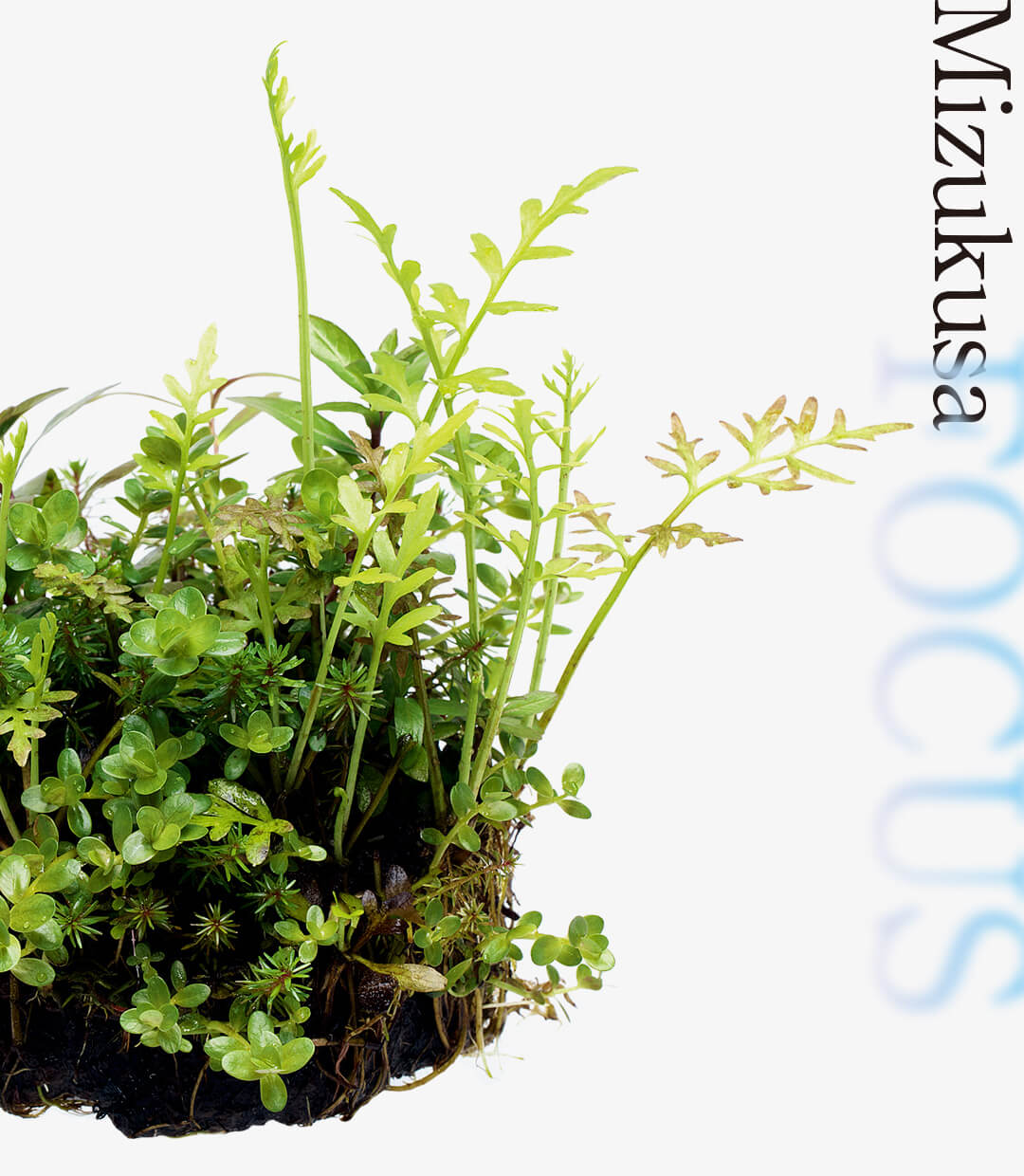
Using Wabi-Kusa Effectively
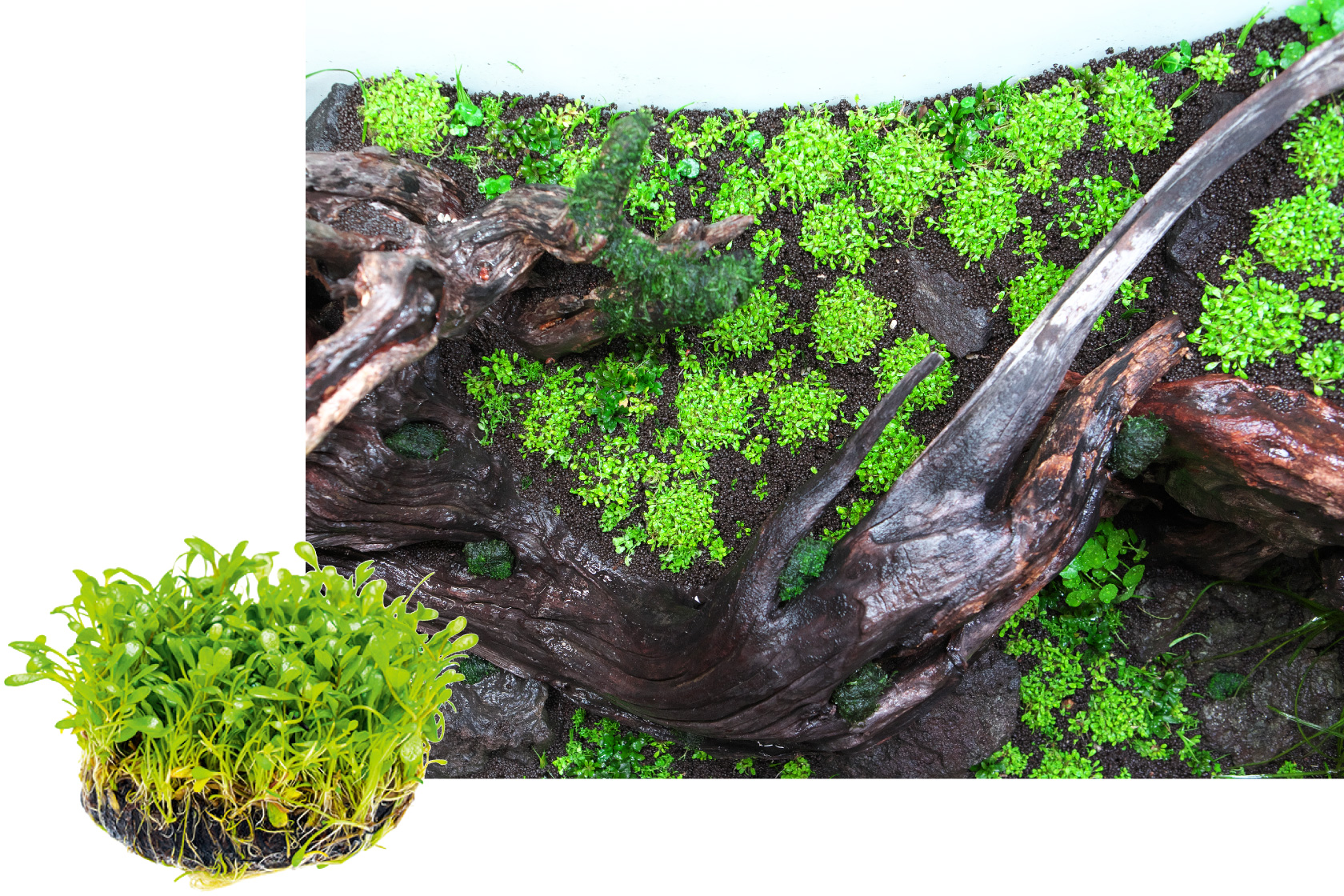
Building up substrate to create depth is common, but in a new setup the soil is unstable and prone to collapse, making planting difficult.
By using Wabi-Kusa—which establishes roots quickly and sends out runners—we were able to plant along the sloped areas without disturbing the mound, creating a layout that stays stable over time.
Building up substrate to create depth is common, but in a new setup the soil is unstable and prone to collapse, making planting difficult.
By using Wabi-Kusa—which establishes roots quickly and sends out runners—we were able to plant along the sloped areas without disturbing the mound, creating a layout that stays stable over time.
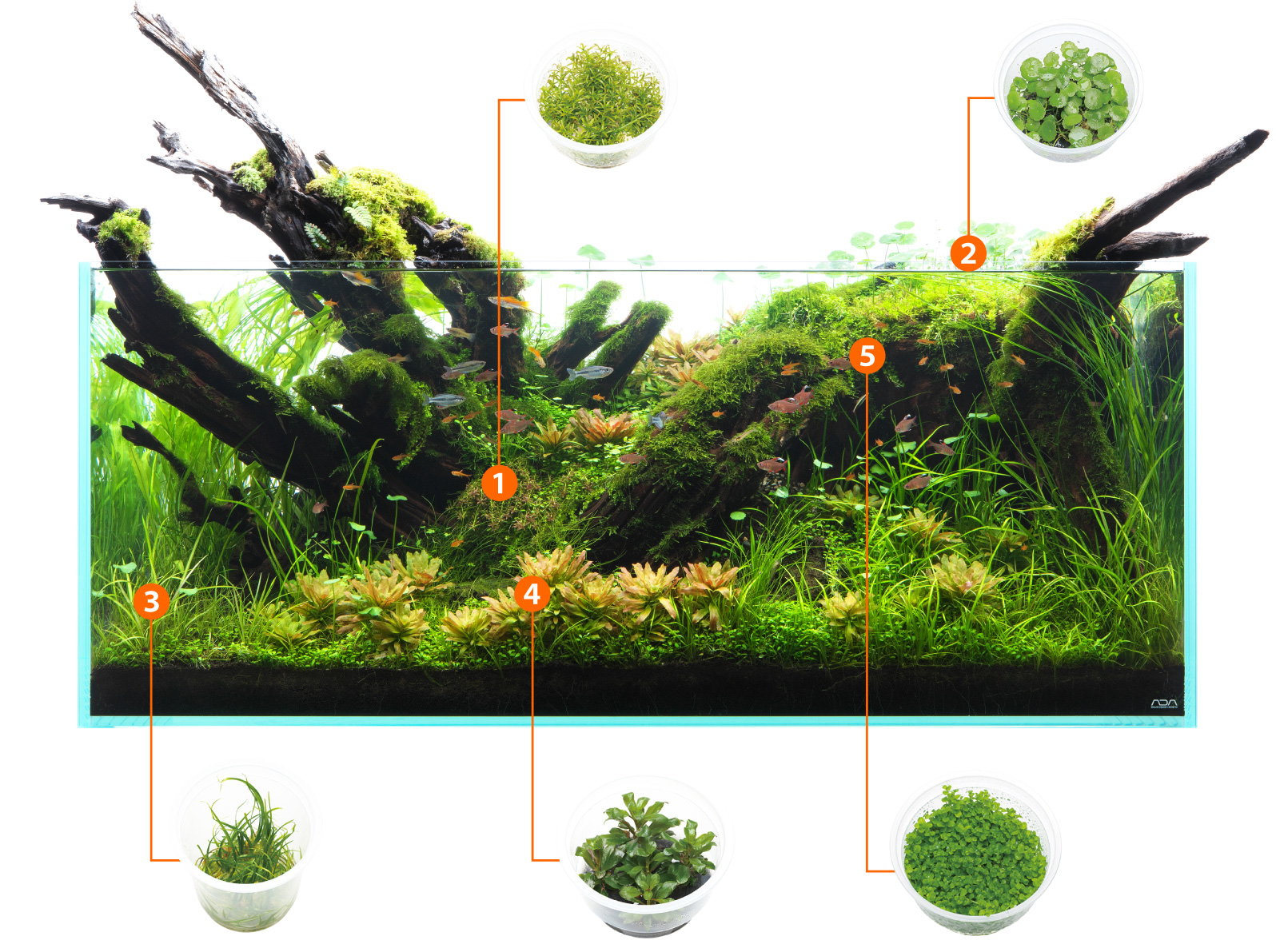
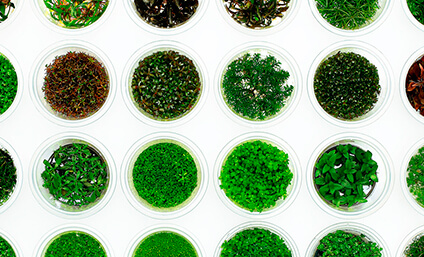
Constructing the Layout with a Variety of BIO Mizukusa no Mori Plants
The plants in the BIO cups have strong root development and transition rapidly from emersed to submerged growth, allowing the tank to get through its early unstable period smoothly.
They’re cultivated in a clean environment, so there’s no need to worry about snails or algae hitchhiking in.
The plants in the BIO cups have strong root development and transition rapidly from emersed to submerged growth, allowing the tank to get through its early unstable period smoothly.
They’re cultivated in a clean environment, so there’s no need to worry about snails or algae hitchhiking in.
Care & Maintenance Points
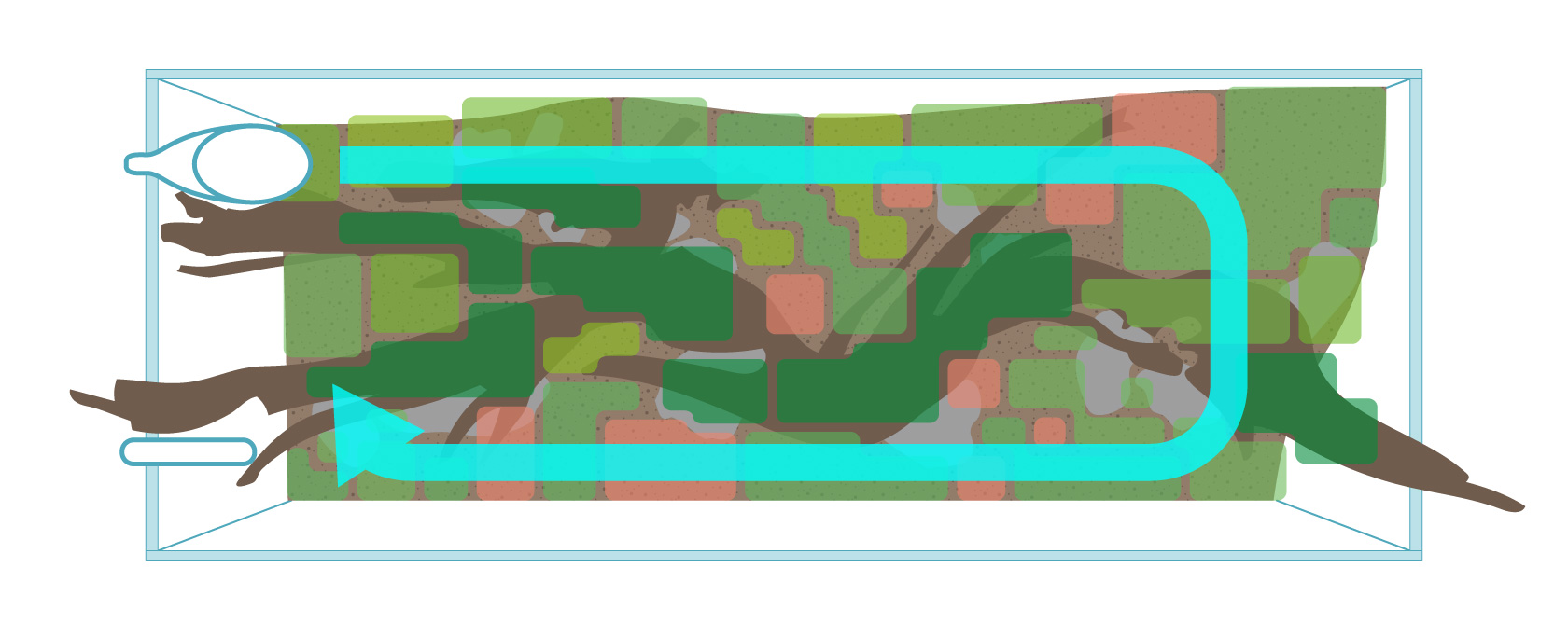
Adjusting Water Flow by Positioning the Lily Pipe
When using many types of aquatic plants with different leaf shapes, it’s important to manage water circulation. In this aquascape, the raised substrate and composition risked creating a stagnant zone at the back. To counter this, the lily pipe’s outlet was positioned toward the rear, securing a flow path and allowing tape-like plants to drift softly. This gives the aquascape a visible, dynamic sense of water movement.
When using many types of aquatic plants with different leaf shapes, it’s important to manage water circulation. In this aquascape, the raised substrate and composition risked creating a stagnant zone at the back. To counter this, the lily pipe’s outlet was positioned toward the rear, securing a flow path and allowing tape-like plants to drift softly. This gives the aquascape a visible, dynamic sense of water movement.
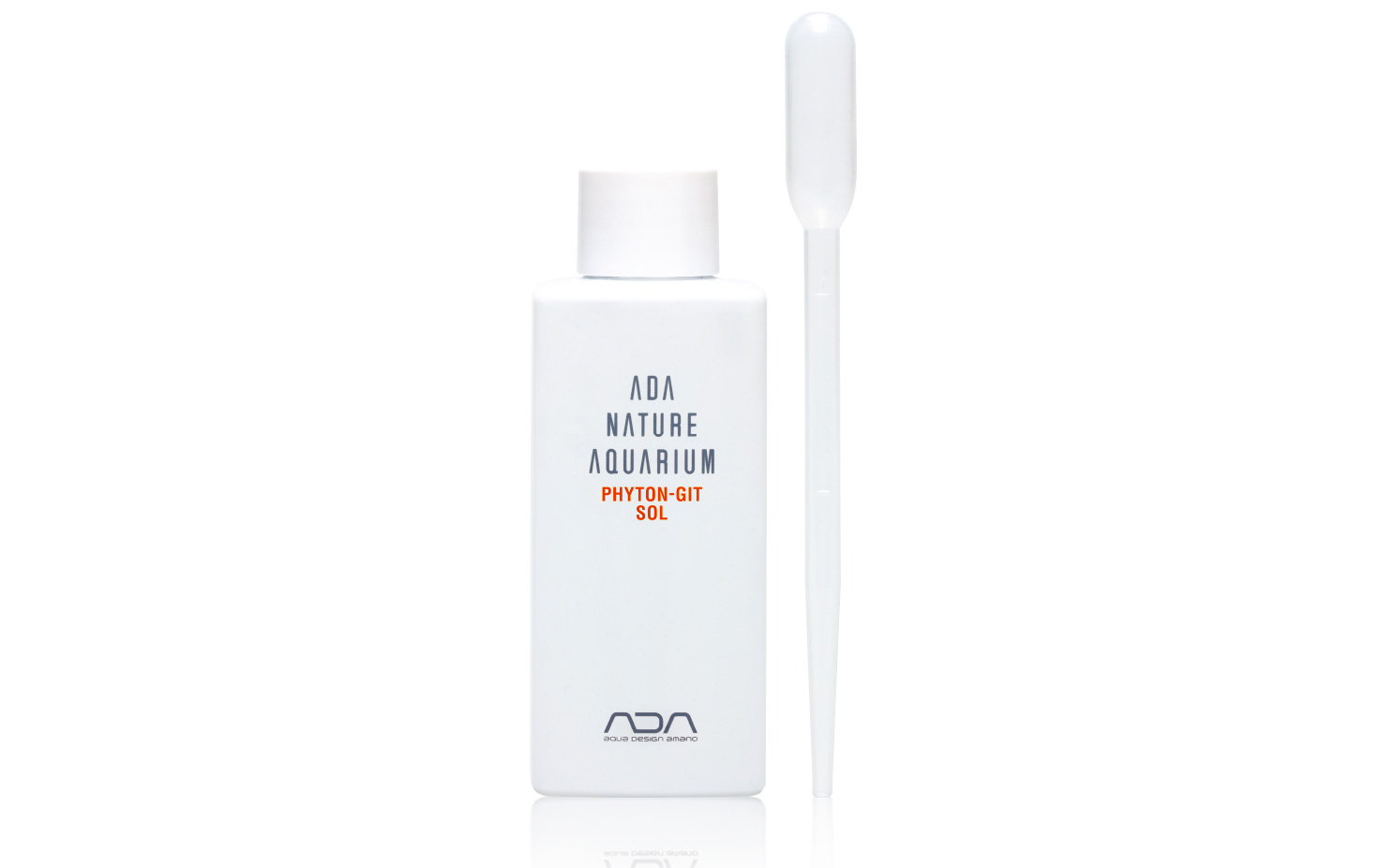
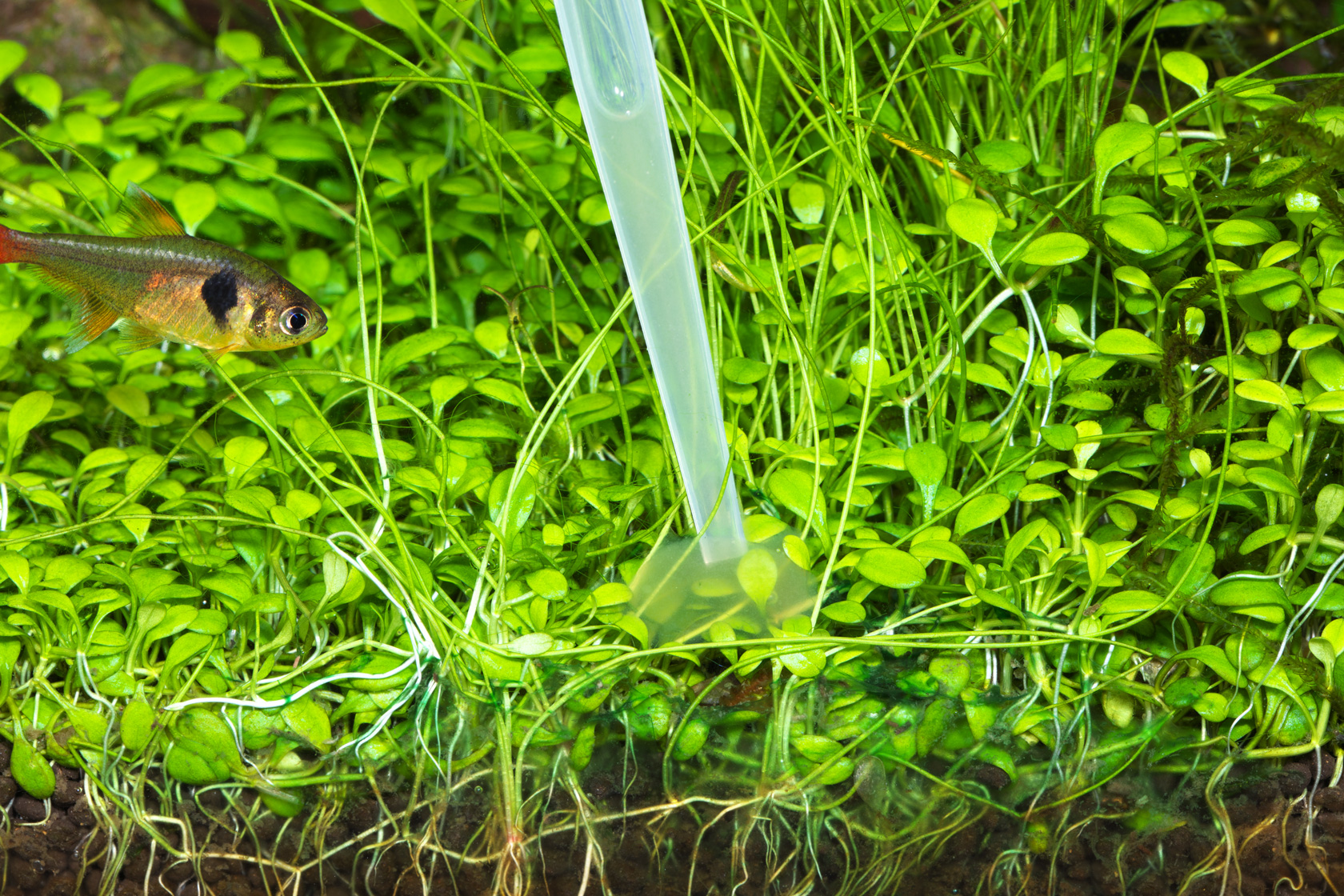
Cyanobacteria Control with Phyton-Git Sol
In areas where flow is weak, completely preventing cyanobacteria is difficult. Using Phyton-Git Sol helps keep it under control. Applying it to the surface of the growth—and injecting it directly into the soil—helps prevent outbreaks over the long-term.
In areas where flow is weak, completely preventing cyanobacteria is difficult. Using Phyton-Git Sol helps keep it under control. Applying it to the surface of the growth—and injecting it directly into the soil—helps prevent outbreaks over the long-term.
![Green Lab. #05 [Jewels of the Forest Floor]](https://www.adana.co.jp/wp-content/uploads/sites/3/2025/10/gl05_img_ogp.jpg)