Uonuma — A Land of Deep Snow and Dramatic Folded Landscapes
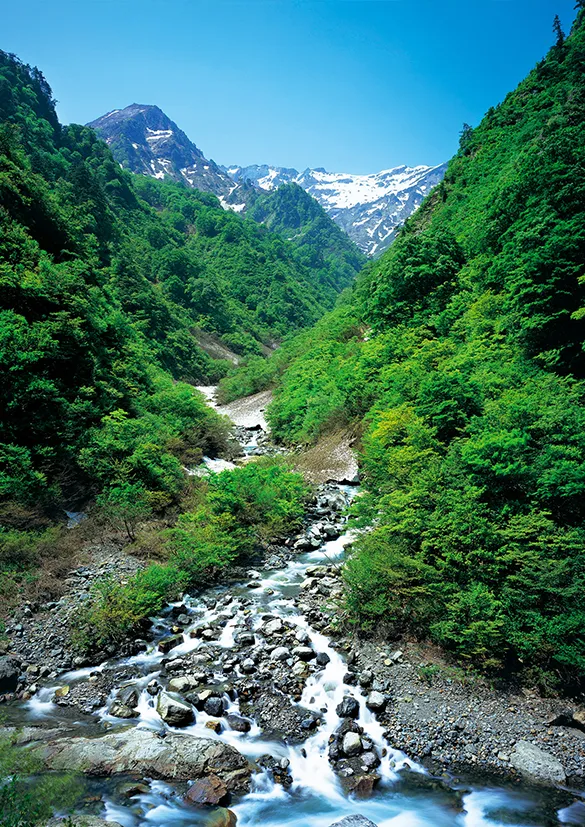
Just over an hour from Tokyo by Shinkansen lies Uonuma, a region in Niigata shaped by ancient geological forces. The Uonuma Basin stretches between the towering 2,000‑meter peaks of the Echigo Sanzan and the folded hills of the Uonuma Highlands, with the Uono River flowing through its center. This fertile landscape has made Uonuma one of Japan’s premier rice‑growing areas.
In winter, cold winds sweeping down from Siberia absorb moisture over the Sea of Japan and blanket Uonuma with extraordinary snowfall. The region is internationally known as one of the world’s heaviest snowfall zones, with snow depths sometimes exceeding 3 meters. The name “Uonuma,” meaning “a marsh where fish live,” reflects the area’s abundant water—over 3,000 mm of annual precipitation, nearly twice the national average.
With a history rooted in textile production and silver mining, the region is dotted with cultural treasures and scenic spots closely tied to its climate, geography, and traditions.
Tour Highlights: Tenjiku no Sato and the Mizunashi River
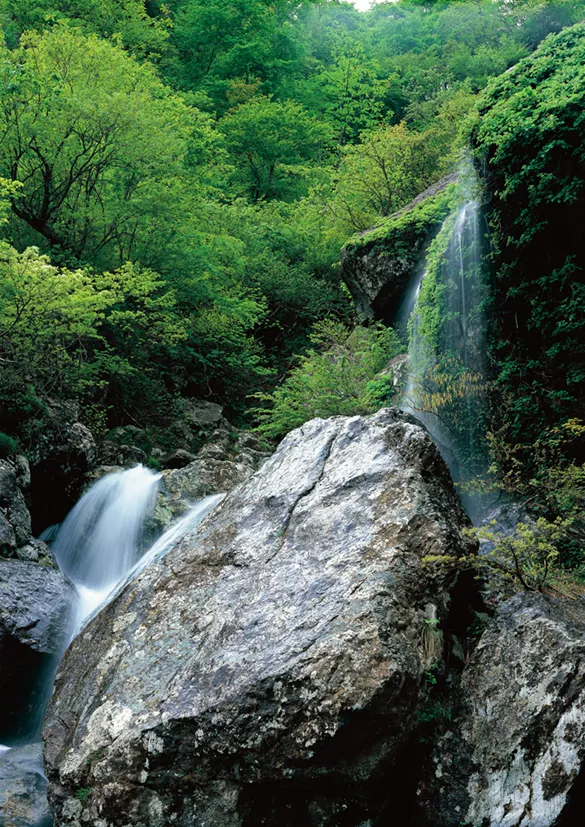
A highlight of this tour is the visit to Tenjiku no Sato, located at the base of the iconic Mt. Hakkaisan and Mt. Makihata. Nestled in the Uramakihata Gorge on the northern side of Mt. Makihata—one of Japan’s “100 Famous Mountains”—this natural park features dramatic waterfalls, towering cliffs, and a pristine V‑shaped valley carved by the Ikasawa River.
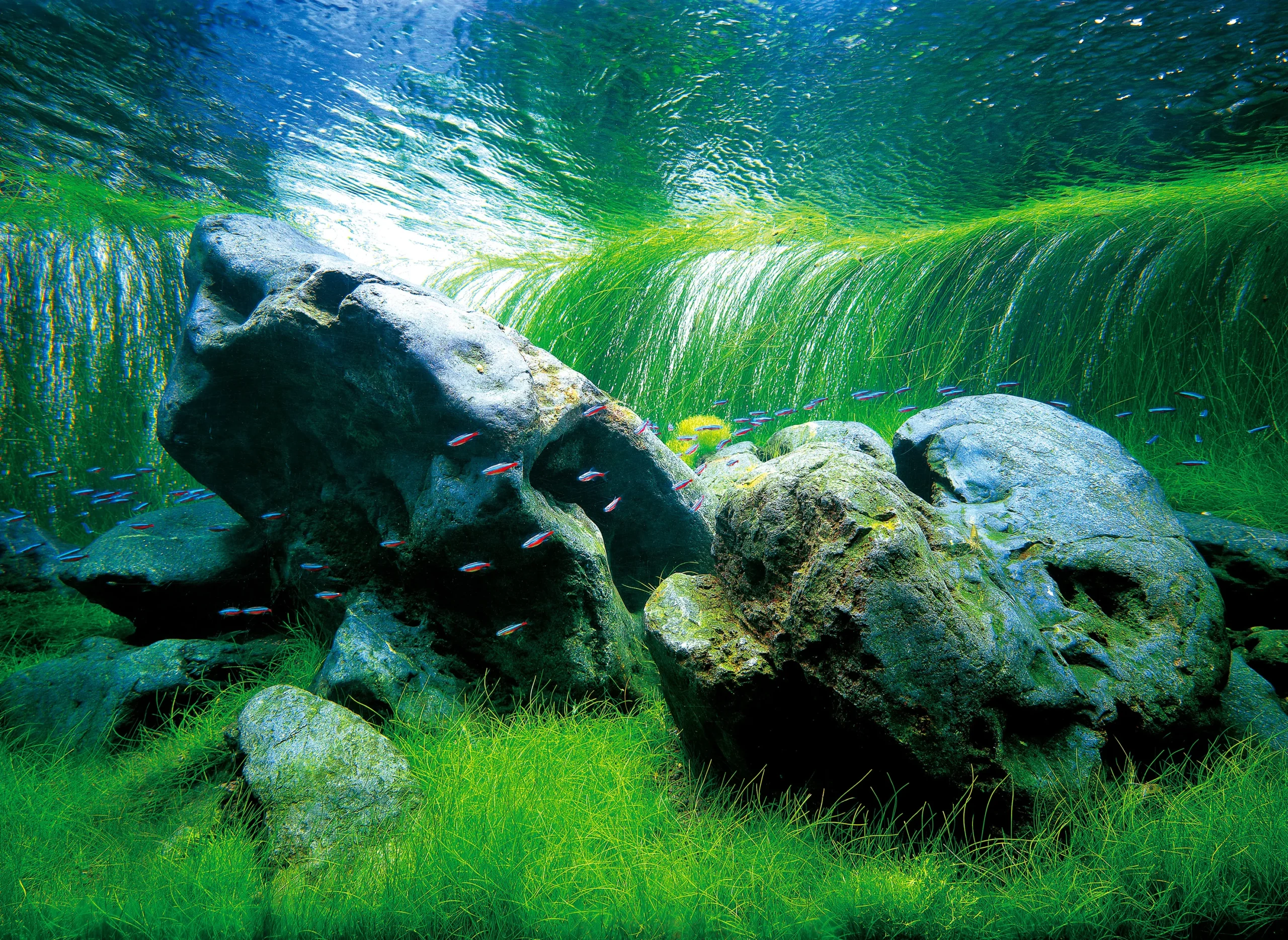
Walking along the riverside trails through untouched broadleaf forest, you’ll discover sweeping mountain views and experience a landscape that has inspired many Nature Aquarium aquascapes. These rugged forms were shaped over millions of years by plate‑driven uplift, contributing to the distinctive terrain seen across eastern Japan.
Another memorable experience awaits along the Mizunashi River, a tributary of the Uono River. Here, guests can stroll along the riverbed and search for Hakkaiseki, highly valued stones in the traditional Japanese suiseki culture.
Hakkaiseki and the Essence of Japanese Aesthetics
Japan has a long tradition of appreciating natural stones, placing them on wooden bases or in water trays to highlight their shape, color, and quiet presence. These stones often appear alongside bonsai in tea rooms, where their natural forms evoke vast landscapes in miniature.
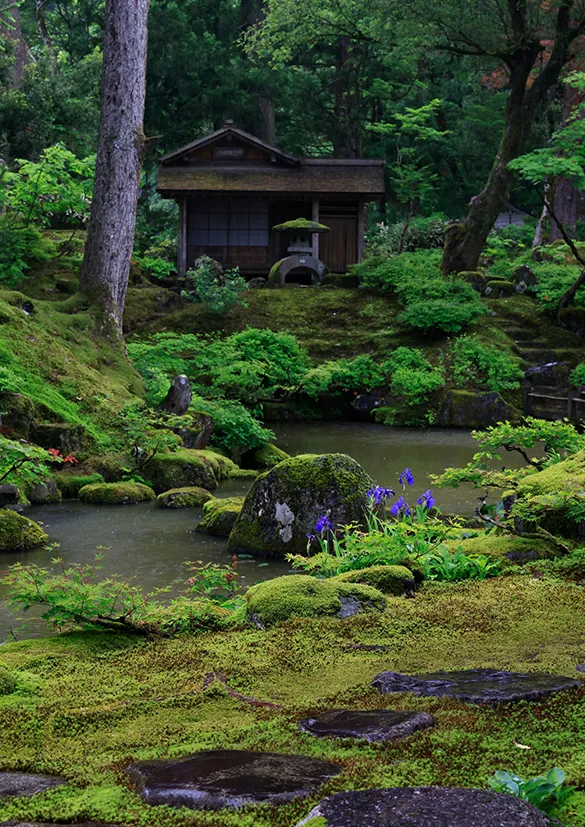
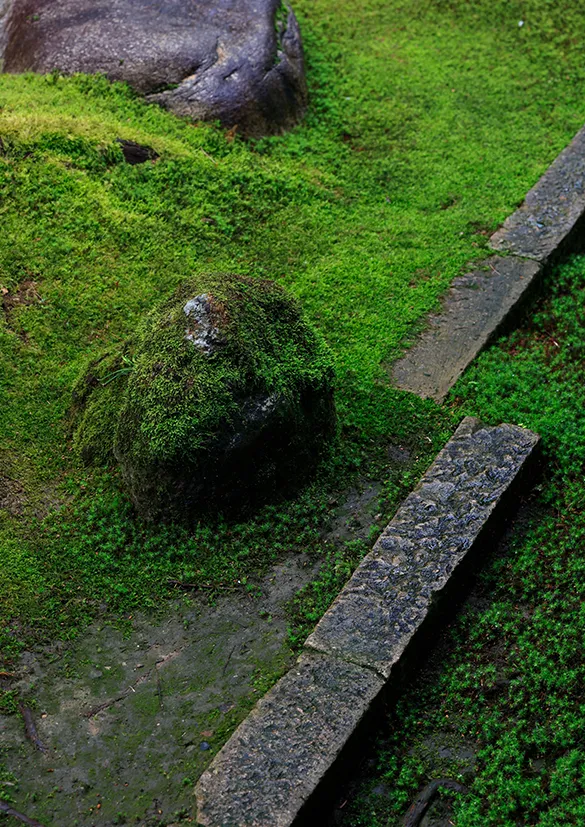
Hakkaiseki—known for their rich textures, natural wrinkles, and distinctive erosion marks called jagure—gained global recognition when Takashi Amano, founder of the Nature Aquarium, introduced them into aquascaping. Their subtle beauty stands in contrast to the symmetry favored in Western garden design. Instead, they embody the Japanese appreciation for time‑worn surfaces, understated expression, imperfection, and the transience of nature—qualities at the heart of wabi‑sabi.
Japan’s position on the planet has strongly influenced this aesthetic. Despite occupying just 0.25% of the world’s land area, Japan holds around 7% of its active volcanoes. Frequent earthquakes, dramatic seasonal changes, and a climate shaped by monsoons have nurtured a cultural mindset that embraces change and finds beauty in impermanence. The concept of shogyō mujō—the idea that all things are transient—arose from living in harmony with a powerful and ever‑changing natural world.
A Journey Into the Origins of the Nature Aquarium
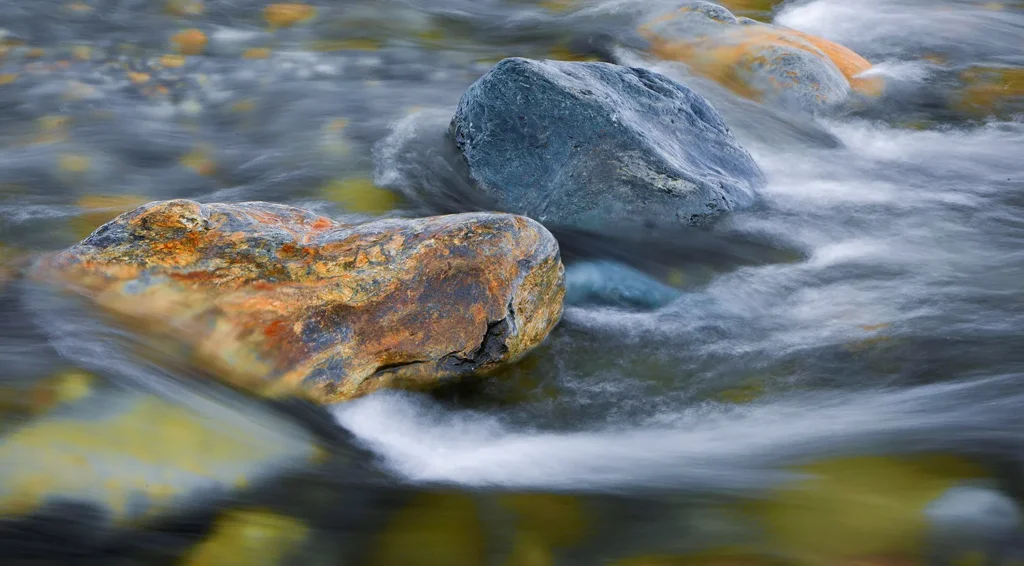
Walking along the Mizunashi River, observing the movement of water and the natural placement of stones, offers a direct look into the principles behind Nature Aquarium design.
Homma, an ADA Aquascape Creator, speaks about the mindset required when creating an Iwagumi (stone arrangement) layout as follows:
“In Iwagumi, we first come to understand the ‘face’ of each stone. From that face, we imagine the landscape that lies behind it, and from there we create the aquascape. By consciously observing how stones exist in nature, our sensibility is refined, and when we create an aquascape, natural stone placement begins to emerge unconsciously.
It is also important not to simply copy the images we take in from natural scenery with precision, but rather to express the impressions that remain in our hearts. ”
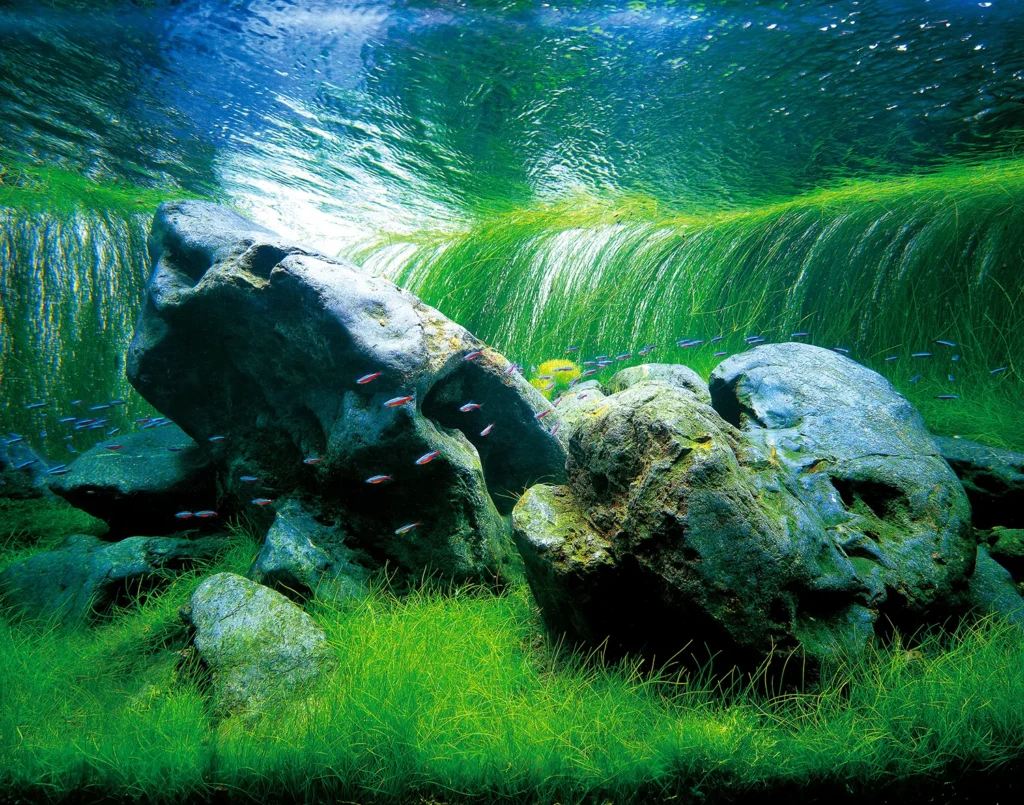
By exploring Uonuma’s landscapes and culture, you’ll experience the very source of inspiration that shaped the Nature Aquarium philosophy—something you cannot find in Tokyo. We invite you to discover the beauty, history, and ideas that continue to influence this globally admired art form.